




Teasing Future Content and Anticipatory Engagement Design
 Milijana Komad / 6 min read
Keywords: Teasing Future Content, Video Gaming, Game Design, Player Engagement, Psychological Manipulation
Abstract
Teasing future content is a sophisticated behavioral strategy used in video games to maintain engagement, prolong user anticipation, and enhance long-term retention. By revealing partial, curated, or time-staggered previews of upcoming features, characters, events, or expansions, designers stimulate emotional arousal, curiosity, and FOMO. This paper explores the psychological mechanics behind teaser-based engagement, analyzes diverse use cases across major game genres, and examines its implications for motivation, monetization, and ethical product design.
Introduction
In today’s hyper-competitive gaming landscape, content release cycles have evolved into finely tuned behavioral engines. Modern games, particularly live-service titles, rely heavily on anticipatory design: keeping players emotionally invested not only in what they are currently experiencing, but in what will arrive next.
Teasing future content is therefore not merely marketing — it is a retention architecture. By leveraging suspense, partial revelation, controlled information, and timed scarcity, designers create motivational loops that keep players emotionally hooked beyond the boundaries of present gameplay.
This mechanism thrives in ecosystems where updates, patches, and new seasons shape the rhythm of player involvement. When deployed effectively, teasers extend the lifecycle of content and elevate games into permanently unfolding narrative and mechanical experiences.
Teasing Future Content in Gaming: Conceptualization and Design
Psychological Foundations of Teasing Future Content
1. Anticipatory Reward Systems (Neuroscience Basis)
Dopamine signaling can respond to unexpected rewards and to learned cues that predict them. Teasers may engage anticipation, but their specific neural and behavioral effects require direct evidence.
Teasers activate reward prediction circuits through:
- incomplete information
- hints of future gain
- visual or narrative promises
- countdowns
- “next episode” pacing
- slow-drip reveals
This creates sustained motivational tension, which designers can prolong for days, weeks, or months.
2. Incompleteness and Curiosity
Unfinished information can create curiosity and encourage speculation. Applying the Zeigarnik effect to teaser-driven retention is a hypothesis that requires direct testing.
A teaser may encourage:
- speculation
- community discussion
- theory-crafting
- emotional investment
- return visits, depending on the audience and implementation
A teaser can function as a psychological cliffhanger. Whether this translates into increased retention must be established for the particular product and audience.
3. Controlled Information Asymmetry
Teasers intentionally unbalance knowledge distribution.
Designers know the future; players do not.
This asymmetry gives designers a behavioral leadership position:
they dictate the pace of curiosity, the rhythm of hype, and the timeline of emotional investment.
4. FOMO-Driven Engagement
When a teaser reveals upcoming limited-time items or events, players adjust their schedules and increase present gameplay to prepare for future opportunities.
The anticipation of missing something future-oriented creates powerful behavioral shifts.
Forms of Teasing Future Content in Game Design
1. Visual Teasers
Screenshots, silhouettes, partial renders, or blurred-out items.
Used to build symbolic recognition before full exposure.
2. Narrative Foreshadowing
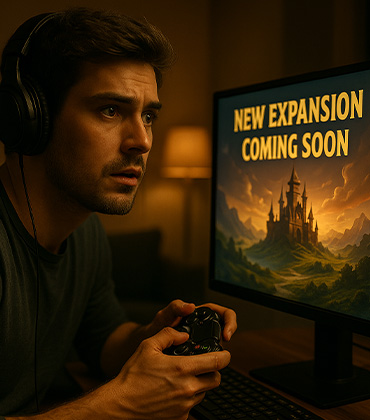
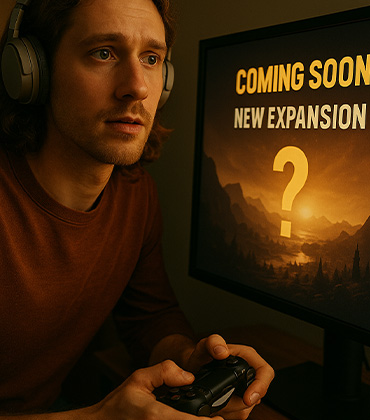
In-game dialogue, lore hints, mysterious NPCs, or environmental storytelling that allude to future story arcs.
3. Mechanical or Systems Teasers
Temporary event systems that hint at new features: test servers, experimental modes, pre-season adjustments.
4. Seasonal Roadmaps
Publishing a roadmap with intentionally vague descriptions (“A new threat approaches…”) creates long-term retention anchors.
5. Social Media & ARG Teasers
Alternate reality games (ARG), hidden codes, cryptic puzzles, and influencer-led leaks.
These tactics extend engagement beyond the game itself and create multi-platform retention funnels.
Case Studies: Teasing Future Content in Practice
1. Fortnite (Epic Games)
Fortnite has perfected the art of teaser-driven hype cycles.
Examples include:
- Meteor trails hinting at future map destruction
- Mysterious countdowns visible in the sky
- In-game objects that appear weeks before a seasonal event
- Crossovers hinted through cryptic posters or item shop silhouettes
Each teaser creates a wave of community speculation, increasing daily logins and social engagement.
2. Destiny 2 (Bungie)
Before selected expansions, Bungie has used narrative hints and pre-release events.
These subtle teasers create a world where players feel history unfolding.
3. Genshin Impact (miHoYo)
miHoYo uses official previews and staged character reveals to build anticipation. These announcements should be distinguished from unauthorized leaks.
Each micro-teaser sparks massive social discussion and influences spending patterns on current banners before the next release.
4. World of Warcraft (Blizzard)
The long tradition of expansions begins months prior with in-game events (zombie invasions, corrupted zones, lore changes).
Players experience pre-expansion narrative shocks that hint at the structure of forthcoming gameplay, driving long-term subscription engagement.
Implications for Game Design
1. Extending Content Lifespan
Teasers can extend discussion of an update beyond its playtime by encouraging anticipation before release and community discussion afterward.
2. Increasing Social Engagement
Community speculation is free marketing.
Forums, Discord servers, Reddit threads, and YouTube theory channels become retention ecosystems.
3. Enhancing Player Commitment
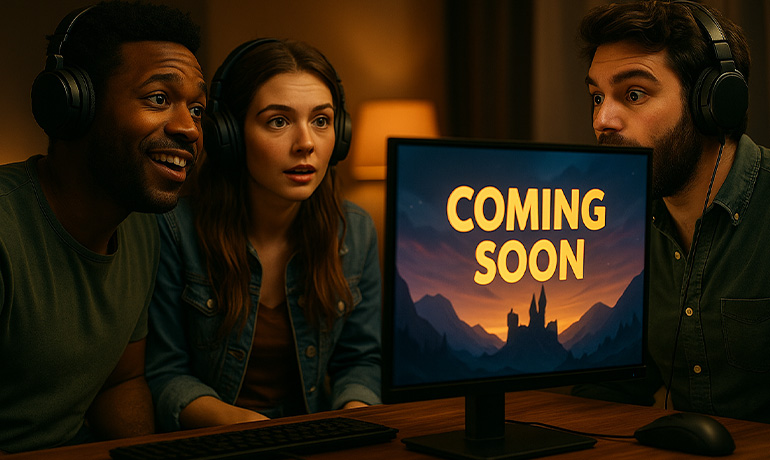
Players who anticipate future content are less likely to churn.
Teasers create emotional contracts:
“If I leave now, I’ll miss what’s coming.”
4. Influencing Monetization
Anticipation encourages:
- stockpiling in-game currency
- future-oriented purchases
- pressure to finish current content before the next arrives
- increased spending before a major reveal
This creates a monetization heartbeat tied to update cycles.
5. Ethical Considerations
While teasing can be harmless and exciting, it crosses into manipulation when:
- content is intentionally misrepresented
- teasers exaggerate the scale or quality of future updates
- delays break psychological contracts
- anticipation is turned into pressure, anxiety, or obligation
- teasers create grinding obligations
Ethical teasing should respect user autonomy and avoid overhyping or misleading players
Conclusion
Teasing future content is a powerful psychological tool that shapes user expectation, emotional pacing, and long-term engagement. When executed with clarity, authenticity, and respect for players, teasers elevate game worlds by giving them narrative and systemic momentum.
However, when used manipulatively — to create artificial hype, induce fear of missing out, or pressure spending — teasers distort the player experience.
The future of ethical behavioral design lies in transparent, thoughtful teaser strategies that enhance anticipation without exploiting it, allowing games to grow dynamically while maintaining trust and psychological well-being.
This article is part of a broader research series on behavioral manipulation in digital products.
For a comprehensive theoretical framework, see:
Engineering Behavior: Psychological Manipulation in Digital Products





Related posts

Behavioral Design

Digital Monetization
Artificial Scarcity and Perceived Value in Digital Systems

Behavioral Design
Grinding, Repetition, and Time-Based Progression Systems
DIGITAL DESIGN EXPERIENCE
MILIJANA KOMAD